
Introduction
When a patient recently asked me, “Doc, why am I shooting blanks?”, he was using a colorful phrase to express a very real concern. What he meant was that his ejaculatory force and semen volume had noticeably decreased over the past several months. As a urologist who has spent over 35 years focusing on male reproductive and sexual health, I understood both his worry and the importance of a careful, professional evaluation. Questions and issues like this are more common than many realize – in fact, ejaculatory dysfunctions are among the most prevalent male sexual disorders[1]. Yet, they often receive less public attention than problems like erectile dysfunction. In this discussion, we will explore what “shooting blanks” really means, the possible reasons behind reduced ejaculatory volume or “dry” orgasms, and how a specialist approaches evaluation and management of this concern. The goal here is education, not specific medical advice – by understanding the factors involved, you’ll be better prepared to discuss your concerns with a qualified urologist (and even consider a second opinion when appropriate) in order to get the best care.
What Does “Shooting Blanks” Mean?
If you are “shooting blanks” in the sense of having dry orgasms (orgasm feeling normal but no fluid or very little fluid emerging), it could indicate that semen is not being expelled normally. Often, this points to something like retrograde ejaculation (semen going backward into the bladder) or other issues affecting the emission of fluid. If instead you do produce semen but in a lower volume or with reduced force(perhaps it dribbles out rather than spurting), that might reflect changes in your ejaculatory function due to factors like age, medications, or partial retrograde flow. It’s worth noting that the average ejaculate volumein a healthy man is around 2–5 milliliters (roughly a half to one teaspoon), though this can vary widely[2]. Low semen volume, medically termed hypospermia, is often defined as less than ~1.5–2 mL of semen on repeated measurements[3]. Many men don’t actually measure their output in milliliters at home, of course – instead, they notice qualitatively that “there’s not as much as there used to be,” or that the semen isn’t shooting out as forcefully. Any significant change in these characteristics can understandably be alarming and prompts the question: why is this happening?
Crucially, “shooting blanks” does not necessarily mean you’ve lost your fertility or manhood. It’s a descriptive phrase for a symptom (low or no ejaculate) that can have multiple underlying causes, ranging from benign and temporary to more complex. Most of the time, decreased ejaculatory volume/force isn’t dangerous to your health per se[4]. But it can be distressing, affect sexual satisfaction, and in some cases it can indeed relate to fertility issues (since less semen or a misdirected ejaculation might make it harder to father a child[5]). The good news is that by investigating the cause, we can often address it or at least manage it in a way that improves quality of life. To understand how we get to the bottom of “shooting blanks,” let’s first review how normal ejaculation works and what kinds of problems can occur.
How Does Normal Ejaculation Work? (Physiology 101)
Ejaculation is a complex but well-orchestrated process involving multiple organs, muscles, and nerves working together. It helps to break it down into two main phases: emission and expulsion[6].
- Emission Phase: This is the lead-up to climax. During emission, sperm that were stored in the epididymis travel up through the vas deferens (the sperm duct) towards the prostate. Here, the sperm mix with fluids from the seminal vesicles and prostate gland to form semen. The semen collects in a portion of the urethra at the prostate (the urethral bulb) in preparation for release[7]. A critical thing happens during emission: the bladder neck (internal sphincter) tightens up and closes. This prevents the semen from flowing backward into the bladder and ensures it will be directed out through the penis[8][9]. (Think of it like a one-way valve that must shut to route traffic forward.) The emission phase is controlled by the sympathetic nervous system – a wave of nerve signals triggers the muscular contractions that move fluids into the urethra and simultaneously clamps the bladder neck shut[10].
- Expulsion Phase: This corresponds to the moment of orgasm and the forceful ejection of semen. Once the semen is in the urethral bulb and the man reaches the orgasmic threshold, a reflex switches to the somatic and parasympathetic nervous system control. Rhythmic, rapid contractions of the pelvic floor muscles (especially the bulbocavernosus and ischiocavernosus muscles at the base of the penis) and the external urethral sphincter occur[8][11]. These contractions build pressure and propel the semen out through the penis. This is what gives a normal ejaculation its forceful, spurting characteristic. Expulsion is the phase we consciously experience as the climax or orgasm (the pleasurable sensation coinciding with those muscle contractions and release of tension).
In summary, normal ejaculation requires: semen to be produced in adequate volume, proper coordination of muscular contractions to push the semen forward, and a closed bladder neck to ensure one-way flow out the tip of the penis. Any hiccup in this process – whether it’s not making enough fluid, a weak contraction, or a leaky bladder neck – can result in less semen coming out or none at all. For instance, if there’s a problem in the emission phase, the semen volume might be reduced (e.g. if the seminal vesicles aren’t adding fluid or if semen is going the wrong way into the bladder). If there’s a problem in the expulsion phase, the force might be weak (e.g. if the pelvic muscles or nerves aren’t firing properly to push it out)[12][13]. Sometimes both phases are affected simultaneously.
It’s also important to mention that individual factors can influence ejaculate volume and strength even in men without any pathology. The amount of fluid can depend on the time since your last ejaculation, your level of arousal, hydration, and even general health/mood[14]. For example, a short interval between ejaculations usually yields a smaller volume the second time. Being very well hydrated and aroused might increase volume slightly. These normal variations are usually modest, though, and most men have a consistent baseline that they notice. Thus, when a man notices a persistent decline in volume or force over time (not just a one-off fluke), it’s worth looking into more closely.
Now that we have a basic understanding of how things should work, let’s outline the range of ejaculatory disorders that can occur. “Shooting blanks” is one manifestation, but ejaculatory dysfunction comes in various forms. Knowing the terminology and categories will help frame our discussion as we zero in on the specific issue of low-volume, low-force ejaculation.
Types of Ejaculatory Dysfunction (When Things Don’t Go as Planned)
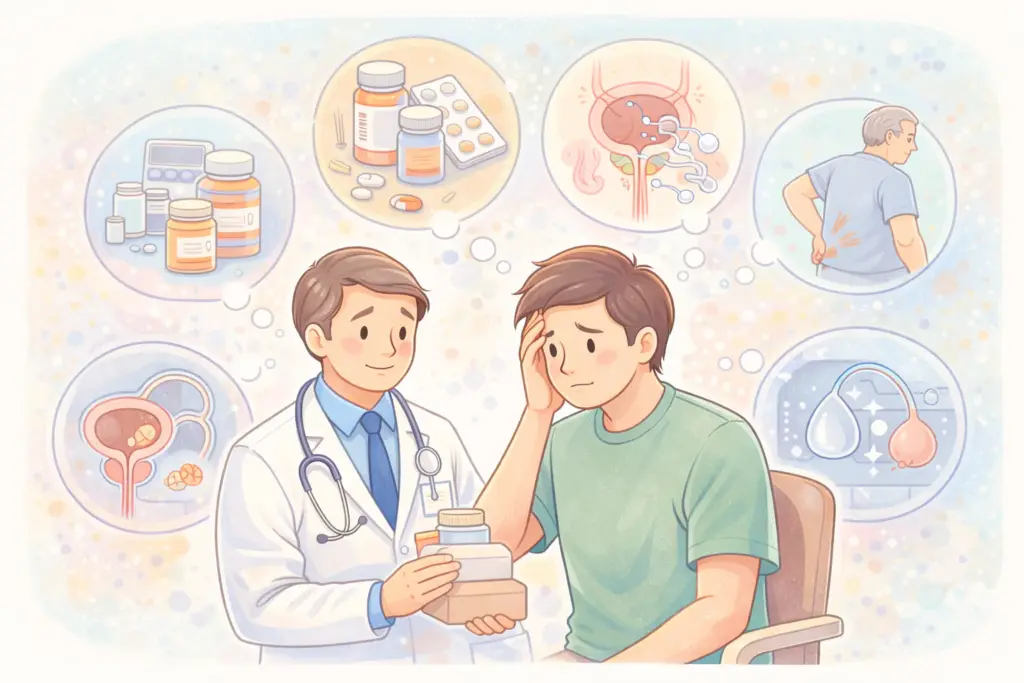
Ejaculatory disorders refer to any condition in which the normal process of ejaculation is disrupted. Broadly, we can divide these into a few major categories[15][16]:
- Premature Ejaculation (PE) also known as Rapid Ejaculation: This is by far the most common ejaculatory disorder. It occurs when a man reaches orgasm and ejaculates sooner than he or his partner desires, with minimal voluntary control[17]. In other words, ejaculation happens too quickly – often within a minute or so of penetration (in lifelong PE) or sooner than desired in acquired PE. While PE doesn’t directly involve semen volume or direction, it’s a dysfunction of timing. It can cause frustration, anxiety, and relationship stress, but it does not mean anything is wrong with the semen production or exit pathway. In fact, men with PE typically have normal volume and force – it’s just the timing that’s off. (We include it here for completeness, since it’s an ejaculatory issue many men experience.) Causes of PE can be complex, involving psychological factors (like performance anxiety) or biological factors (such as hypersensitivity or neurotransmitter differences)[18][19]. Treatments often involve behavioral techniques, counseling, or medications (for example, certain antidepressants can be used to prolong latency)[20][21], but those are topics for another dedicated discussion.
- Delayed Ejaculation (DE) and Anorgasmia: Delayed ejaculation is the flip side of premature – it is characterized by a significant delay or difficulty in reaching orgasm and ejaculating, despite adequate stimulation and desire[22]. Some men with DE can eventually ejaculate but only after very long periods or with specific conditions (like during masturbation but not intercourse), while others may not be able to ejaculate at all with a partner. If a man cannot orgasm or ejaculate at all, that is sometimes referred to as anejaculation (when referring to no fluid expulsion) and/or anorgasmia (no orgasmic sensation). In practice, if no fluid comes out, we often use anejaculation; if even the subjective feeling of climax is absent, anorgasmia is the term. There are many potential causes for delayed ejaculation or anejaculation – they can be psychological (e.g., past trauma, strict upbringing causing guilt, performance pressure) or physical/neurological (nerve damage, side effects of medications, certain medical conditions)[23][24]. Some medications, notably SSRI antidepressants, are famous for causing delayed ejaculation or even complete inability to ejaculate as a side effect[25]. Neurologic diseases like multiple sclerosis or diabetes-related neuropathy can also impair the ejaculatory reflex. It’s worth noting that as men age, some degree of delayed ejaculation or less intense orgasms can become more common – older men might need more stimulation and time, and they might occasionally not ejaculate every time[26]. (One clinical observation: “some older men may not experience ejaculation every time they have intercourse”[27], which underscores that aging can blunt the consistency of this function). Delayed ejaculation can be frustrating and may require professional evaluation to identify underlying causes. Treatment might involve adjusting medications, treating underlying conditions, or sex therapy techniques depending on the root cause.
- Retrograde Ejaculation (RE): This is highly relevant to the “shooting blanks” scenario. In retrograde ejaculation, semen is produced normally but during orgasm it travels backwards into the bladderinstead of forward out the urethra[28]. Essentially, the bladder neck fails to close, so the path of least resistance for the semen is to go into the bladder (which is like a low-pressure reservoir) rather than out the penis. Men with retrograde ejaculation typically still feel the pleasure of orgasm (the muscle contractions and climax sensation occur), but they notice little or no semen coming out – hence the term “dry orgasm”[29][30]. A tell-tale sign is that the urine right after sex may turn cloudy with sementhat has washed out of the bladder[5][31]. Retrograde ejaculation can be partial (some semen goes out, some goes backwards, resulting in low volume outwardly) or complete (no semen out at all). Common causes of retrograde ejaculation include anything that interferes with the bladder neck muscle or the nerves controlling it[32][33]. This includes certain medications (especially alpha-1 blockers like tamsulosin, which are used for prostate enlargement or high blood pressure – they relax the bladder neck, making it easier for semen to slip into the bladder[34]), diabetes (which can cause neuropathy affecting the autonomic nerves that normally tighten the bladder neck)[35], neurologic conditions like multiple sclerosis or spinal cord injuries[36][35], and prior surgeries involving the prostate or bladder neck. For example, men who have had a transurethral resection of the prostate (TURP) for BPH often experience retrograde ejaculation afterward because that surgery can disrupt the internal sphincter mechanism. Similarly, surgeries for bladder cancer or major lymph node dissections in the retroperitoneum can damage the sympathetic nerves, leading to retrograde ejaculation[37]. We will dive deeper into retrograde ejaculation in the next section since it is a primary suspect when someone reports “shooting blanks.” Importantly, retrograde ejaculation by itself is not harmful to a man’s health and doesn’t affect the ability to have an erection or orgasm[38]. The main issues it poses are fertility problems (since sperm are going into the bladder instead of out to potentially reach an egg) and sometimes a sense of diminished pleasure or psychological distress at the lack of visible ejaculate[39][40].
- Anejaculation (Absent Ejaculate): We touched on this under delayed ejaculation, but to clarify: anejaculation means no semen is expelled at orgasm. Now, anejaculation can actually be due to retrograde ejaculation (the semen went backward, so none forward) – in which case the man still had an orgasm feeling. Or it can be due to something like the man is not achieving an orgasm at all(anorgasmia, often psychogenic or neurologic). It can also occur in men who have had certain surgeries that remove or disconnect the semen-producing organs. For instance, after a radical prostatectomy (surgical removal of the prostate and seminal vesicles, typically for prostate cancer), a man will have no ejaculate fluid at all during orgasm – this is sometimes called a “dry ejaculation,” but it’s not retrograde; it’s because the glands that make the fluid are gone or the ducts are removed[41]. Likewise, men who have had their testicles removed (orchiectomy) or who have congenital absence of the vas deferens/seminal vesicles will have either no sperm or greatly reduced fluid. True anejaculation where a man cannot ejaculate even though he might have normal erection and sensation can also stem from severe nerve damage (e.g. spinal cord injuries at certain levels, advanced diabetic neuropathy) or certain medications (for example, some anti-psychotic medications can so blunt the orgasmic reflex that ejaculation doesn’t occur). Anejaculation always warrants an evaluation because we need to distinguish between retrograde (which is often medication-induced or due to diabetes) versus other causes that might need different interventions. Sometimes anejaculation is part of a broader condition – for example, some men with severe erectile dysfunction or low testosterone might also report they don’t ejaculate, but in those cases it might be because they aren’t actually reaching a climax due to the other dysfunction.
- Painful Ejaculation (Dysorgasmia): This is when ejaculation is accompanied by pain, burning, or discomfort. While not directly about volume or force, it’s an important ejaculatory disorder to be aware of. Painful ejaculation can make a man subconsciously avoid ejaculating or could potentially lead to incomplete ejaculations. The causes often involve inflammation or infection in the male genital tract – for instance, chronic prostatitis (inflammation of the prostate) or urethritis can cause a stinging or aching sensation at the moment of ejaculation[42]. Other causes include prior surgery (scar tissue) or stones/cysts in the seminal vesicles or prostate. Even certain antidepressants have been reported to cause dysorgasmia in rare cases[43]. If a man anticipates pain on ejaculation, he may hold back, which in some cases could reduce the force or volume (due to incomplete emptying). So painful ejaculation, while a distinct issue, can overlap with other ejaculatory problems. It should be evaluated, especially to rule out infections or prostate issues.
- Ejaculatory Anhedonia: This term refers to a situation where a man ejaculates normally in terms of fluid and maybe even timing, but derives no pleasure from the orgasm – essentially, an orgasm without the pleasurable sensation. It’s also termed “ejaculatory anhedonia” or sometimes “orgasmic dysfunction.” It’s relatively rare but can occur due to psychological factors (e.g. depression, past trauma) or as a side effect of medications like SSRIs (which can dampen sexual pleasure). While this doesn’t directly relate to shooting blanks (these men still ejaculate fluid), it’s another example of how complex the male sexual response can be – it’s possible to have the plumbing work but the sensation be lost.
As you can see, ejaculatory dysfunction comes in many flavors – too fast, too slow, none at all, going the wrong way, painful, or not satisfying. Sometimes a patient might experience more than one of these issues at once. For example, a man with long-standing diabetes might have a bit of delayed ejaculation and ultimately a dry orgasm due to retrograde ejaculation; an older man might have some premature ejaculation earlier in life but later develop reduced volume due to a prostate surgery, etc. The focus of this article is on the scenario of reduced volume and force, i.e. the “shooting blanks” complaint. In medical terms, that usually points to retrograde ejaculation or other causes of low semen volume output. It’s time to drill down into those specific causes and how we evaluate them.
Why Might Ejaculatory Volume and Force Decrease?
If you’re noticing weaker ejaculation – less fluid coming out, and it comes out with little force – it’s not happening by random chance. There is likely an underlying reason (or combination of reasons) for this change. In my consultation with the patient who asked “why am I shooting blanks,” we explored a number of possible factors. Here I’ll outline the major causes of decreased ejaculatory volume/force, with the understanding that an individual case might involve one or several of these that can be clarified by consultation with a urologist experienced in evaluating and treating male ejaculatory dysfunction:
1. Natural Aging and Hormonal Changes:
Getting older can subtly affect many aspects of sexual function, including ejaculation. It’s common for men to find that as they move into their 50s, 60s, and beyond, the force of ejaculation isn’t what it was in their 20s, and the volume may diminish somewhat[26]. Part of this is due to a drop in testosterone levels over time – testosterone plays a key role in maintaining the tissues and glands that produce semen (prostate, seminal vesicles) and in sexual drive[44][45]. Testosterone peaks in young adulthood and then declines by about 1–2% per year after age 30[45]. Over decades, this hormonal change can lead to smaller seminal vesicles and prostate output, translating to less fluid. Additionally, muscle tone in the pelvic floor can weaken with age, potentially reducing the oomph of those expelling contractions. One study on men’s sexual health after midlife noted that the volume of semen is often reduced, and older men may not ejaculate with every single sexual encounter[27]. That said, aging alone doesn’t always cause dramatic changes – many men in their 70s still ejaculate, while some in their 40s might have issues[46]. So age is a contributing factor, but usually there’s a more specific cause if the change is significant over a short period. It’s worth distinguishing what’s “normal aging” from what might be a pathological cause; a specialist can help make that call.
2. Medication Side Effects:
This is a big one. Several commonly used medications can interfere with ejaculation, often by affecting nerve signals or muscle tone:
- Alpha-1 Blockers: Medications like tamsulosin (Flomax), alfuzosin, silodosin, and similar drugs used for benign prostatic hyperplasia (BPH) or sometimes for high blood pressure are notorious for causing retrograde ejaculation. They work by relaxing the smooth muscle in the prostate and bladder neck to improve urine flow, but the unintended consequence is that the bladder neck may not fully close during emission. The result? Semen goes backward into the bladder = “dry” or low-volume ejaculation[34][47]. Silodosin in particular has a high incidence of this side effect. It’s not harmful physically, and if the medication is stopped, normal ejaculation usually returns[48]. But while on these meds, men may consistently “shoot blanks.” Some newer minimally-invasive treatments for BPH are actually designed to preserve antegrade ejaculation (recognizing how important this is to patients). If you started a prostate medication around the time you noticed changes, that is a big clue.
- Antidepressants and Psychotropic Medications: Many antidepressants, especially SSRIs (like sertraline, paroxetine, etc.), SNRIs, and tricyclics, can cause delayed ejaculation or anejaculation[25]. Some men on these drugs report they can’t climax or it takes a very long time. If they do climax, volume might be normal or slightly reduced, but often the primary effect is on orgasmic function rather than fluid production. Certain antipsychotic medications and even some anti-anxiety or mood stabilizers can also dampen sexual reflexes. One way to distinguish a medication cause is if the problem started after a new drug was introduced or dose changed. For instance, a man who starts an SSRI for depression might find a few weeks later that he’s having “dry” orgasms or no orgasm at all. This is dose-dependent and reversible in many cases (sometimes a lower dose or switching meds can help).
- Blood Pressure Medications: Aside from the alpha-blockers mentioned, some other hypertension drugs have been linked to sexual side effects. Thiazide diuretics and certain beta blockersoccasionally can contribute to erectile issues and possibly ejaculatory issues in some men (though the evidence is mixed). However, one clear one was old-school methyldopa (not commonly used now) – it could cause retrograde ejaculation. Calcium channel blockers or ACE inhibitors are less commonly associated with ejaculation problems. The main BP meds to think of are indeed the alpha blockers and some centrally acting ones.
- Others: Opioid pain medications (chronic use) can suppress hormones and reduce sexual function (low testosterone, low libido, possibly affecting ejaculation). Finasteride or dutasteride (5-alpha-reductase inhibitors for prostate or hair loss) can reduce the size of the prostate and seminal vesicles, sometimes leading to decreased semen volume (and they can cause sexual side effects like reduced libido or orgasmic issues in some men). Chemotherapy drugs or hormonal treatments (for prostate cancer, for example) will drastically reduce or eliminate ejaculate (since they stop sperm and fluid production by shutting down testosterone). Even some over-the-counter or herbal products (like high doses of certain antihistamines or decongestants taken regularly) could have minor effects, but these are usually temporary. It’s a long list – in fact, one review identified numerous drug classes that can impact semen parameters or sexual function[49][50]. The key point: Always consider your medications. If a patient tells me “I feel like nothing’s coming out anymore,” one of my first questions is “Did you start any new meds recently or change doses?” For many men, the answer is yes, and often it’s the alpha-blocker for their urine symptoms or an SSRI for mood. The good news is that medication-induced ejaculatory issues are often reversible by changing or stopping the drug (under a doctor’s guidance, of course). Never stop a prescribed med without consulting your doctor[51] – but do bring up the concern. There may be alternative medications that don’t have that side effect, or strategies like taking drug holidays (for example, some men on an alpha-blocker might skip it on days they plan sexual activity, with their doctor’s okay).
3. Nerve Damage or Neurological Conditions:
The ejaculatory process is highly dependent on intact nerve pathways (spinal cord and peripheral nerves). Any damage to the nerves involved can lead to ejaculatory dysfunction. Examples include:
- Diabetic Neuropathy: Long-standing diabetes, especially if not well controlled, can damage the autonomic nerves (part of the peripheral nervous system) that control the emission phase. This often leads to retrograde ejaculation because the bladder neck doesn’t get the signal to contract tightly[52][35]. Diabetes is actually one of the most common medical conditions associated with retrograde ejaculation in my practice. Men might also have signs of diabetic neuropathy like numbness in the feet. Good blood sugar control and certain medications can help, but nerve damage can be hard to reverse if it’s advanced.
- Multiple Sclerosis (MS): MS can interrupt nerve signals in various ways. It often causes sexual dysfunction, including erectile problems and sometimes anejaculation or retrograde ejaculation, depending on the lesion locations[53][54]. Men with MS may experience either delayed ejaculation or inability to ejaculate, or retrograde flow due to autonomic involvement.
- Spinal Cord Injuries: The level and completeness of a spinal injury will dictate its effects on ejaculation. Some men with spinal cord injury (especially injuries above the lumbar center) might lose the ability to ejaculate (although interestingly some can still have reflex erections and even orgasms in some cases). Others might only be able to ejaculate with medical stimulation (such as penile vibratory stimulation or electroejaculation, which are techniques used in fertility clinics for men with spinal injuries). If the injury is incomplete or lower down, sometimes retrograde ejaculation occurs.
- Pelvic Surgeries that affect nerves: For example, a retroperitoneal lymph node dissection(RPLND) for testicular cancer can inadvertently damage sympathetic nerve fibers that run near the spine, leading to retrograde ejaculation post-operatively[37]. Surgery for colorectal cancer or extensive pelvic surgery can also put nerves at risk. Men who undergo these procedures are often warned about potential ejaculatory issues afterward.
- Parkinson’s Disease: This neurologic disorder can also be associated with sexual dysfunction including ejaculatory issues, partly due to autonomic nervous system changes[55].
In short, neurogenic causes are a significant category for “shooting blanks.” If a man has a known neurologic condition and then develops ejaculatory changes, it’s likely related. Sometimes the presence of retrograde ejaculation or anejaculation can even be a clue pointing to an underlying neurologic issue that hasn’t been diagnosed yet (e.g. an otherwise healthy man turning out to have early MS or an autonomic neuropathy).
4. Anatomical or Structural Problems:
Mechanical issues with the “plumbing” can also lead to low-volume ejaculation. Key examples:
- Bladder Neck Incompetence (anatomical): Some men have a congenitally weak bladder neck or structural abnormality that prevents a good seal. Also, any surgery that alters the bladder neck or prostate (as mentioned, TURP or a simple prostatectomy for BPH) can permanently change the mechanics such that retrograde ejaculation is almost guaranteed[33]. Unfortunately, if the bladder neck is surgically damaged, it’s usually not fixable – the result is permanent retrograde ejaculation[48]. Men should be counseled about this risk before such surgeries, especially if fertility is a concern, so they have the option to bank sperm or choose alternative treatments.
- Ejaculatory Duct Obstruction: If the tubes that drain the seminal vesicles into the urethra (ejaculatory ducts) become blocked, semen can’t effectively get out. This can result in a very low volume ejaculate and possibly increased pressure or discomfort. Causes of blockage could be congenital (like a cyst in the prostate – e.g., a Müllerian duct cyst or ejaculatory duct cyst) or acquired(stone in the duct, calcifications from infection, scar tissue, etc.)[56]. Men with ejaculatory duct obstruction often have very low volume (sometimes just a few drops of thin fluid, since mainly prostatic fluid might trickle out, but the vesicle fluid is trapped). They might also have painful ejaculation or blood in semen at times. An MRI or transrectal ultrasound can identify such obstructions, and a minor surgical procedure (transurethral resection of the ejaculatory ducts) can sometimes open the blockage to restore more normal flow[57][58].
- Absence or Dysfunction of Seminal Vesicles/Vas Deferens: The seminal vesicles produce about two-thirds of the semen volume[59], so if they are absent or nonfunctional, the volume will be low. There’s a condition called Congenital Bilateral Absence of the Vas Deferens (CBAVD) – often associated with cystic fibrosis gene mutations – where a man is born without vas deferens (and often the seminal vesicles are underdeveloped too). These men typically have azoospermia (no sperm) and very low-volume semen (often <1 mL) from the start of their sexually active life[60][61]. Usually this is discovered during fertility evaluation (as they have infertility). It wouldn’t typically present as a new-onset change in volume later in life, since it’s lifelong. However, unilateral absence (one side missing) might not be noticed until maybe later if the other side gets compromised. Surgical removal of seminal vesicles (rare, but could be done in some cases of chronic infection or cancer) would also reduce volume significantly.
- Prostate Removal or Damage: As noted earlier, a radical prostatectomy removes the prostate and seminal vesicles, causing anejaculation. Radiation therapy to the prostate can also fibrose those glands over time and reduce volume[62]. Men who have had these treatments will necessarily have “dry” orgasms. This isn’t usually a surprise to them because it’s well-known and explained as part of those treatments, but I include it here for completeness.
- Prostate Enlargement (BPH): Wait, isn’t BPH a cause of retrograde because of meds or surgery? Yes, indirectly. BPH itself (just having a big prostate) typically doesn’t reduce volume; in fact, some might think a bigger prostate could produce more fluid. But severe BPH could possibly alter the anatomy such that ejaculation is more difficult (some men with big median lobes of the prostate report semen tends to “get stuck” or only dribble out). This is not a common complaint though; it’s usually the treatment of BPH (meds or surgeries) that cause the issue, not the enlarged prostate itself.
In essence, any plumbing issue or an absent/blocked gland can cause a man to have a very low semen output. These structural causes are often suspected when a younger man has always had a low volume or when imaging/lab tests show something abnormal (like no fructose in semen – which is a clue the seminal vesicles aren’t delivering fluid[63]).
5. Infections or Inflammation:
While transient, things like prostatitis (inflammation of the prostate, often due to infection or other causes) can sometimes lead to changes in ejaculation. Acute prostatitis might cause very painful ejaculations and men may notice blood in semen or even less volume (due to swelling blocking ducts). Chronic prostatitis/chronic pelvic pain syndrome could potentially lead to scar tissue that partially blocks seminal pathways or causes discomfort that makes the muscle contractions uncoordinated. Urethral strictures(scarring in the urethra) could affect the outflow of semen as well, causing it to dribble or even pushing it back. These situations are less common as causes of “shooting blanks,” but a history of severe urinary or prostate infection preceding the issue can be a clue. In such cases, treating the infection or inflammation (antibiotics, anti-inflammatories, etc.) often restores more normal ejaculation.
6. Psychological Factors and Stress:
It’s remarkable how the mind and body are connected in sexual function. High levels of stress, anxiety, or emotional distraction can impact the quality of erections and orgasms. While psychological factors won’t typically reduce the physical volume of fluid your glands produce, they can influence whether you achieve a robust orgasm or not. For instance, performance anxiety or fear might inhibit the ejaculatory reflex, leading to a situation where you lose your erection or the moment passes without ejaculation (almost a psychogenic anejaculation)[64]. In some cases, men under a lot of stress report their orgasms feel “weaker” or less satisfying, which can coincide with less forceful contractions and thus a dribbling ejaculation. Depressioncan reduce libido and the intensity of sexual response, potentially affecting ejaculation strength. There’s even a recognized phenomenon of psychogenic anorgasmia – essentially, the brain putting the brakes on orgasm for psychological reasons[23]. If a man only has problems in certain situations (say, with a partner, but not when masturbating alone), this suggests a psychological component. Addressing these issues through counseling, sex therapy, or mindfulness techniques can often improve the subjective quality of ejaculation. Simply reducing life stress or anxiety can have tangible effects; one article noted that factors like stress, anxiety, and relationship issues can contribute to ejaculation problems[65].
7. Lifestyle and General Health Factors:
Your overall health habits can also play a role in sexual function, including ejaculation. Some notable ones:
- Smoking: Tobacco use is linked to blood vessel damage and perhaps reduced micro-circulation, which can impair erectile function and possibly the health of accessory glands. Smoking has been associated with worse sperm parameters and could indirectly affect semen volume[66].
- Alcohol: Heavy alcohol use can be a depressant for the nervous system. Occasional moderate drinking likely has little effect, but chronic heavy drinking can lead to hormonal imbalances (lower testosterone) and neuropathy, both of which could reduce ejaculatory function[67].
- Obesity and Sedentary Lifestyle: Being overweight or obese can alter hormone levels (often raising estrogen, lowering testosterone) and is linked to metabolic syndrome and diabetes – all of which impact sexual health[67]. Obesity can also increase intra-abdominal pressure, possibly affecting prostate and bladder mechanics. Additionally, sitting for long periods (like long-distance cyclists or truck drivers) can cause perineal nerve compression or prostate irritation. One listed risk factor for weak ejaculation is indeed prolonged sitting[67].
- Diet: Diets high in processed meats and refined carbs have been associated with poorer semen quality[68]. It’s not a direct cause of suddenly low volume, but general nutrition affects reproductive health. Hydration status can acutely affect volume – if you’re very dehydrated, your body will produce slightly less semen (since it’s a fluid), though usually not a dramatic difference unless you’re severely dehydrated.
- Exercise: Lack of exercise can worsen vascular health and hormonal balance, while moderate exercise is generally beneficial for testosterone levels and pelvic muscle tone. On the flip side, overtraining or excessive endurance exercise can sometimes lower testosterone. Anabolic steroid abuse (taking synthetic testosterone or similar without medical supervision) can initially increase sex drive but ultimately suppress your own testosterone and fertility (shrinking testicles, low sperm, potentially lower semen volume)[69].
- Recreational Drugs: Use of marijuana, cocaine, methamphetamines, and opioids can all have negative effects on sexual function[70]. They may either mess with hormone levels or directly affect the nervous system control of ejaculation.
In essence, a healthy lifestyle supports healthy sexual function. Many of the above factors might not cause a sudden dramatic change in semen volume on their own, but they can set the stage or compound other issues. For example, an overweight man with borderline diabetes and on an SSRI and alpha-blocker, who also smokes – he has multiple hits to his ejaculatory function happening at once. Improving some of these factors (quitting smoking, exercising, controlling diabetes, etc.) can improve overall sexual health and even potentially improve ejaculatory strength[71][72].
8. Rare and Miscellaneous Causes:
Finally, there are some less common scenarios. Hormonal imbalances beyond just low testosterone – for instance, thyroid disorders – can affect ejaculation. An overactive thyroid (hyperthyroidism) has been linked to semen abnormalities including reduced volume[73], and an underactive thyroid can contribute to delayed ejaculation[74]. High prolactin levels (from a pituitary tumor, for example) can suppress testosterone and libido, indirectly affecting ejaculate. Certain genetic syndromes or post-viral syndromes could, in theory, affect nerves or muscles involved. Pelvic floor dysfunction – if the timing of muscle contractions is discoordinated (perhaps due to chronic pelvic pain or tension), a man might not expel semen efficiently. In practice, these are all relatively uncommon causes of significantly reduced volume compared to the big categories above.
As we’ve outlined, the list of potential causes is long, but don’t be overwhelmed. In a clinical evaluation, a urologist specialized in evaluating and treating ejaculatory dysfunction will pinpoint likely causes by taking a thorough history and doing targeted tests. It usually becomes clear which bucket the issue falls into. For instance, a 60-year-old man on tamsulosin who has cloudy urine after sex – likely retrograde due to the medication. Or a 30-year-old with life-long 0.5 mL ejaculate volume – likely a congenital absence of seminal vesicles. Or a 50-year-old with new onset dry orgasms right after back surgery – likely nerve related. The context and accompanying clues guide the diagnosis.
Next, let’s talk about what a a urologist specialized in evaluating and treating ejaculatory dysfunction actually does when you come in with this complaint. Understanding the process of consultation – the history, physical exam, and investigations – will show you how we arrive at an answer for “why am I shooting blanks?” and ensure that something important isn’t missed.
What to Expect from a Urology Consultation (History, Exam, and Tests)
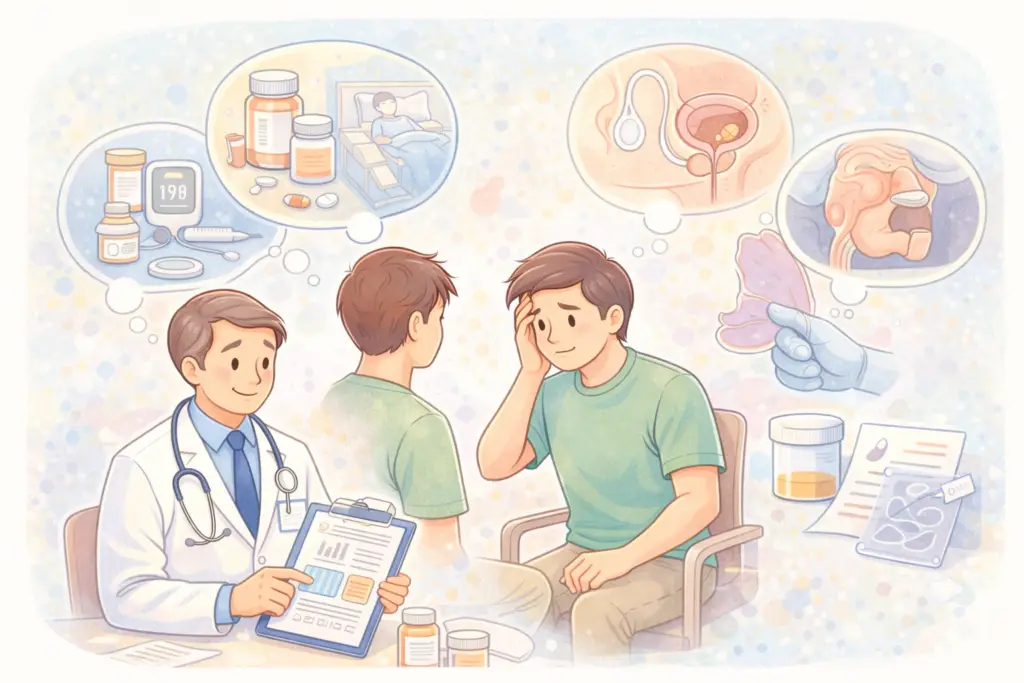
When you see a urologist or male sexual health specialist for issues like decreased ejaculatory volume, the evaluation is comprehensive. Our job is to be part detective, part medical expert, and also to make you comfortable discussing a sensitive topic. Here’s how a typical professional consultation might go, based on my own approach with patients:
Thorough Medical History – Telling the Story
We start by talking. I will ask you to describe the chief complaint in your own words – e.g., “I’m noticing little to no semen when I climax”. Then I’ll dive into the History of Present Illness (HPI), covering key aspects:
- Onset: When did you first notice the change? Was it sudden or gradual? A sudden change might point to something like a new medication or a recent surgery; a gradual decline might suggest aging or a slow-growing issue.
- Timing and Consistency: Does it happen every single time now, or only sometimes? Consistent dry/low ejaculations point to a fixed cause, whereas intermittent might suggest situational factors. Also, do you still sometimes have a normal ejaculate? For example, some men with partial retrograde ejaculation may notice that occasionally they have near-normal volume (perhaps when they’re very aroused or if they consciously tried some remedies), but other times it’s low. We also discuss frequency of sexual activity – if you ejaculate multiple times a day, the later ones will naturally be much smaller in volume. If you abstain for a week, is the volume noticeably higher or still low? These patterns can be telling. (In true blockages or persistent retrograde, even after abstaining the volume stays low externally.)
- Associations and Symptoms: Are there other symptoms accompanying the change? For instance:
- Any pain or discomfort with ejaculation? (This could indicate prostatitis or obstruction.)
- Any blood in the semen noticed? (Could also suggest inflammation or obstruction.)
- How about orgasmic sensation – does the pleasure feel the same, diminished, or absent? (If orgasm feels weaker or “not as pleasurable,” that could be neurologic or medication-related; if orgasmic feeling is completely absent, that suggests anorgasmia more than just a plumbing issue[75].)
- Do you notice urine cloudiness after sex? (A strong hint for retrograde ejaculation[76].)
- Any changes in urinary function? (For example, did you start having easier urination after being on a prostate medication, which coincided with the ejaculate issue – points to medication cause; or do you have new urinary difficulty which might mean a large prostate or stricture, potentially related.)
- How about erections and libido? (If those are also impaired, maybe low testosterone or a systemic issue is at play; or if erections are fine but just no fluid, that points more specifically to an ejaculatory duct issue or retrograde.)
- Medications and Supplements: We’ll review all medications you’re on, including prescription, over-the-counter, and supplements. As discussed, drugs for blood pressure, prostate, mood, etc., are prime suspects[34][70]. Even something like an antihistamine (if you take a lot of decongestants, which can have mild anticholinergic effects) might be considered. If you’re on testosterone replacement or other hormones, that’s very relevant too. Supplements that claim to “boost performance” could contain substances affecting ejaculation. It’s important to be honest about any recreational drug use (no judgment, but it’s medically relevant – e.g., frequent marijuana or opioid use could be factors[69]).
- Past Medical History: We’ll discuss conditions you have:
- Diabetes? (Yes → high suspicion for neuropathy causing retrograde or decreased force.)
- Neurologic conditions (MS, Parkinson’s, spinal injury)?
- Prostate issues? (Enlarged prostate/BPH – are you on meds or have you had surgery? Prostate cancer history – any surgery or radiation?)
- Previous surgeries in pelvis or abdomen? (Prostate surgery, bladder or colon surgery, hernia repairs – certain hernia repairs rarely could entrap nerves or the vas deferens.)
- History of significant infections? (Bad prostatitis or urethral infections in the past? Could cause scarring.)
- Any known fertility issues? (If you previously had a semen analysis showing low volume or zero sperm, that’s telling – maybe a doctor you had seen previously told you that you have an absence of vas deferens or something.)
- Endocrine issues? (Thyroid problems, low testosterone history, etc.)
- Psychiatric history? (Depression, anxiety, and what treatments you’ve had for them, as these tie into both psychological and medication aspects.)
- Family History: Mostly relevant for genetic or congenital conditions. For example, any relatives with cystic fibrosis (which could hint you might carry the gene that causes absent vas deferens). Any family history of infertility in male relatives? It’s a minor part of this evaluation, but occasionally helpful.
- Social and Sexual History:
- Lifestyle: Smoking, alcohol, exercise habits we will review. If you’re a cyclist doing 100 miles a week, I’ll note that. Occupation (any exposure to chemicals or heavy metals? Those can affect fertility). High stress job or life recently?
- Sexual habits: Are you sexually active with a partner, or only masturbating, or both? Do you notice any difference in your ability to ejaculate in different situations (alone vs with partner)? Sometimes men with a new partner or in an affair, etc., might experience psychological inhibition leading to delayed or no ejaculation with that partner. I might gently probe about relationship factors – is everything okay emotionally with your partner? Any chance you’re subconsciously “holding back” (some men have fear of getting their partner pregnant, for instance, and that can psychologically inhibit ejaculation).
- Frequency of ejaculation: As mentioned, if you ejaculate very frequently, that could explain a lower volume per event (though not typically zero). Conversely, if you almost never ejaculate, sometimes the seminal vesicles can become very full and you might get a larger volume (though often with congestion, it can also lead to some leakage into bladder).
- Use of pornography or specific stimulation techniques: This can be relevant in delayed ejaculation cases – e.g., some men condition themselves to only respond to a certain kind of stimulation, making partner sex less effective for triggering ejaculation. Not directly our “volume” issue, but it’s part of the sexual function picture.
- Fertility goals: I will definitely ask if you are hoping to have (more) children. If fertility is a concern, the presence of something like retrograde ejaculation becomes more significant to address (because we might need to retrieve sperm from urine or do treatments to get sperm for pregnancy)[77][78]. If you’re done having kids, some solutions (like certain surgeries) might not be necessary and we can focus on quality of life.
This history-taking is done by a urologist specialized in evaluating and treating ejaculatory dysfunction through a compassionate, nonjudgmental conversation. I know it can be awkward for patients to talk about sexual functions, but believe me, as specialists, we’ve heard it all, and we truly discuss these things like any other medical topic. It’s important for the patient to be open – even about things like illicit drug use or erectile difficulties or emotional issues – because every clue helps. From the history alone, I often have a working hypothesis (or a few possibilities) already in mind.
Physical Examination – Checking the Plumbing and More
After the history, I’ll conduct a focused physical exam. This typically includes:
- General exam: I observe overall health signs (body habitus, signs of neuropathy like decreased sensation in feet perhaps if diabetic, etc.). If I suspect neurological issues, I might do a basic neurologic exam of the lower extremities, check reflexes (like the bulbocavernosus reflex which is a squeeze of the glans causing anal wink – tests the sacral nerve arc).
- Abdominal exam: Usually normal, but if there are surgical scars (for instance a lower abdominal scar from a retroperitoneal surgery), that is a clue. Any masses or hernias?
- Genital exam: I will examine the penis and testes:
- Penile exam: Look for urethral abnormalities (like a urethral stricture might be suspected if the urinary stream is also weak, though usually I’d test that separately). Any phimosis (tight foreskin) – not usually relevant to volume, but part of exam.
- Testicular exam: The size and consistency of the testicles are checked. Small, soft testicles could indicate low testosterone or prior damage (which might correlate with low sperm production, though volume is more related to accessory glands). If the testicles are extremely small and levels of testosterone are low, that might explain reduced overall sexual function.
- Vas deferens: Importantly, I will palpate for the vas deferens on each side. This is a little cord-like structure one can feel going up from the back of the testicle toward the groin. In men with congenital absence of the vas, you simply won’t feel it there. If I feel absent vas deferens bilaterally, it explains a low-volume, no-sperm scenario right away[79]. If one side is absent and the other present, that could also perhaps contribute to lower volume (though one side can still produce ~ half volume). Often, absence of vas goes along with missing seminal vesicle on that side. Many doctors might overlook checking this if they aren’t fertility-focused, but it’s a quick and telling part of the exam.
- Any signs of scarring from prior surgeries in the scrotum (like if someone had vasectomy or hernia surgery that could affect the vas). A prior vasectomy would clearly cause no sperm in semen, but volume should still be produced by prostate/sem vesicles so that alone doesn’t cause “blanks” in terms of fluid – just “blanks” in terms of sperm count.
- Digital Rectal Exam (DRE): This is the exam of the prostate via the rectum. It’s important here because it can give information on:
- Prostate size and texture: A very large prostate could hint the patient might be on meds for BPH (if not already known) or just that BPH could be an issue. If the prostate is surgically absent (post-prostatectomy), obviously that tells the story (though by history we’d know that).
- Tenderness: If the prostate is very tender, that might indicate prostatitis, which could be causing painful or disturbed ejaculation.
- Midline cyst or induration: Once in a rare while, on DRE one can feel a bulging midline cyst in the region of the seminal vesicles/ejaculatory ducts. A midline prostatic cyst might be palpable as a smooth, tense bulge toward the bladder area. If I feel something like that, I suspect an ejaculatory duct obstruction due to a cyst[80]. That would warrant imaging. Usually, these cysts cause low volume and often infertility.
- Seminal vesicles: Typically can’t feel them unless they are very enlarged (which could happen if obstructed and filled up with fluid). An enlarged seminal vesicle might be palpable as well, which again would suggest a blockage downstream.
- Pelvic floor muscle exam: Sometimes I check the tone of the pelvic floor muscles. If they are extremely tight or the patient has pain (a condition called pelvic floor hypertonicity), it might contribute to ejaculatory pain or dysfunction.
While examining, I’m also looking for any other clues: e.g., neurological indicators like loss of sensation in the perineum (pudendal neuropathy), or physical abnormalities like hypospadias (urethral opening in an abnormal place – can cause ejaculation that isn’t forward, but that’s more a directional issue than volume).
Overall, the physical exam can reveal anatomical and neurological signs that point to certain diagnoses. For example, finding absent vas deferens on exam immediately suggests a structural cause for low volume[60]. A very dry, atrophic prostate felt on DRE in a 35-year-old might hint at androgen deficiency or prior surgery. Most often, the exam will be normal in appearance and then we rely on tests for confirmation, but it’s a vital step to not skip.
Diagnostic Tests – Getting the Evidence
After history and exam, we usually have some hypotheses. To confirm and to not miss anything, we turn to laboratory and imaging tests:
- Urinalysis and Post-Ejaculatory Urine Analysis: I often get a routine urinalysis to check for any signs of infection or blood that might suggest inflammation. More specifically, if retrograde ejaculation is suspected, a post-ejaculatory urinalysis is very informative. In practice, we may ask the patient to masturbate and ejaculate (either at home or in the office if possible) and then provide a urine sample immediately after orgasm. That urine is then centrifuged and examined for sperm under the microscope[81]. If we find a bunch of motile sperm swimming in the urine, bingo – it was retrograde ejaculation[81]. This test basically confirms that the semen went into the bladder. It’s especially used in fertility contexts to diagnose retrograde ejaculation. Even without lab analysis, some patients will report that their first pee after sex looks cloudy or leaves a whitish residue – a visual confirmation of semen in urine.
- Semen Analysis: If the patient is willing and especially if fertility is a concern, a formal semen analysis with a post-ejaculate urine can be extremely useful. This involves masturbating to produce a sample that a lab can analyze for volume, pH, fructose content, sperm count, etc. In our context, key data would be:
- Volume measurement: Is it truly low (e.g., <1 mL)? Sometimes patients perceive it as “almost nothing” but it’s actually 1.5 mL which might be low-normal. Or vice versa. Having an objective measure helps.pH and fructose: Seminal vesicle fluid is alkaline and rich in fructose. If the semen analysis shows an acidic pH and no fructose, it indicates the seminal vesicles are not contributing – either obstructed or absent[63]. That’s a hallmark for ejaculatory duct obstruction or congenital absence of seminal vesicles. If volume is low and fructose is absent, we will definitely look for a structural blockage.Sperm count: If no sperm are seen (azoospermia), that could imply either the testes aren’t producing or that sperm are being blocked/going elsewhere. In retrograde, often some sperm still show up in the bladder urine. In absence of vas, no sperm will be in ejaculate at all. Sperm count isn’t directly related to volume, but for a full assessment it’s good to know.
- Consistency/viscosity: Sometimes very thick semen (could be due to prolonged abstinence or dehydration) might not come out easily. It’s rare, but some men have highly viscous semen that almost forms a gelatinous glob – that might cause a perception of low or no ejaculate because it doesn’t eject well. If that’s the case, hydration and certain supplements might help.
Not every patient pursuing a second opinion for “shooting blanks” is concerned about fertility, but a semen analysis gives a lot of diagnostic info beyond fertility, so I often recommend it. It’s straightforward and can be done in a lab that provides andrology services. If the patient can’t produce in a lab setting, sometimes at-home collection is possible (with quick transport to the lab).
- Blood Tests: Key blood tests I might order:
- Testosterone level: Low testosterone (hypogonadism) can present with low energy, reduced libido, erectile dysfunction, and possibly reduced seminal volume[82]. It’s not typically an isolated cause of zero ejaculate, but it could contribute to a generally diminished sexual function and smaller prostate/sem vesicle secretions over time. If low, testosterone replacement might improve things (though note: exogenous T can suppress sperm production – a trade-off to consider if fertility is desired).
- FSH/LH (pituitary hormones): If sperm count is zero, these help differentiate primary testicular failure vs an obstruction.
- Prolactin and Thyroid (TSH/T4): If there’s suspicion of endocrine issues (like difficulty orgasming could be from high prolactin or low thyroid), I may check these. For example, hypothyroidism can cause delayed ejaculation, and treating it might normalize things[74].
- Blood glucose / HbA1c: If not already known diabetic, I’d screen for diabetes given its strong link with ejaculatory issues.
- PSA (Prostate Specific Antigen): In older men or if I felt an abnormal prostate, I might check PSA to evaluate prostate health. It’s more about cancer screening or evaluating BPH extent. PSA won’t tell us about ejaculatory function directly, but in context it’s sometimes part of the workup to ensure the prostate’s okay.
- Others as needed: If I suspect any unusual autoimmune or neurological condition, rare blood tests might be ordered (for example, certain vitamin deficiencies or autoimmune markers, but that’s not typical for this issue).
- Imaging Studies: Not every man will need imaging, but in select cases:
- Transrectal Ultrasound (TRUS): This ultrasound via a probe in the rectum visualizes the prostate, seminal vesicles, and ejaculatory ducts. I would order a TRUS if I suspect an ejaculatory duct obstruction or cyst. On TRUS, we might see dilated seminal vesicles or a midline cyst[83][56]. TRUS can also guide a possible treatment (like if a cyst is present, a transurethral resection of ejaculatory ducts can be done). It’s a relatively simple outpatient imaging that many urologists can perform in-office.MRI of the pelvis: This is an alternative or addition for looking at the ducts and glands in high detail. An MRI can identify if seminal vesicles are present and their size, any cysts, etc. MRI with specialized sequences can sometimes show if the vas deferens are present along their course. MRI is more expensive and usually reserved for when ultrasound isn’t conclusive or if surgical planning requires more detail.
- Post-ejaculation imaging: In research, there are tests like videourodynamics or cystography during ejaculation to see if contrast goes into the bladder, but these are rarely done clinically. A simpler approach: sometimes we can have a patient take a medication (like a dye or something) before ejaculation and then see where it goes, but again, not routine.
- Spinal MRI: If a neurologic lesion is suspected (say a man without known MS has other neurologic signs), I might coordinate with neurology to image the spine or brain as needed. But if something as heavy as that is suspected, usually there are other non-sexual symptoms too (numbness, limb weakness, etc.).
- Specialized Tests: In very specific cases, we might do tests like:
- Fructose test on semen (if semen analysis wasn’t done or to confirm seminal vesicle activity).
- Genetic testing for CFTR mutations if congenital absence of vas is found (important if fertility is an issue).
- Vibration or pharmacologic stimulation tests: for men with suspected neurologic anejaculation, to see if any reflex ejaculation can be induced.
- Questionnaires: There are questionnaires for sexual function (like asking about orgasmic satisfaction, etc.) which can help quantify the subjective aspects.
In summary, the diagnostic workup is tailored to the findings from history and exam. We don’t necessarily need to do all these tests for every patient – often the cause becomes evident early. For example, if everything points to medication side effect, we may not need imaging at all; we might instead do a trial off the medication to see if function returns. On the other hand, if a younger man with low volume has no obvious cause, we’ll go through more tests to rule out structural issues or hormonal problems.
Throughout this process, patient comfort and understanding are key. I explain why I’m asking certain things or recommending certain tests, so the patient doesn’t feel like they’re being put through a generic battery for no reason. It’s a collaborative process of solving the puzzle.
An Example Case Evaluation (Putting it Together):
Let’s circle back to our initial patient (let’s call him John, for example). John is a 52-year-old man who reports that over the last 6 months, his ejaculations have been “dry or very low-volume.” He’s otherwise healthy, but on detailed questioning, he reveals he started taking tamsulosin for urinary symptoms about 8 months ago. He also has well-controlled type 2 diabetes for 10 years. He finds that orgasm feels the same, but he misses the visual of seeing the semen. On exam, his prostate is moderately enlarged, non-tender; no vas deferens abnormalities; neurologically intact. I immediately suspect the combination of tamsulosin plus diabetic neuropathy might be causing retrograde ejaculation. To confirm, I ask John to provide a urine sample after masturbating to orgasm. The lab centrifuges it and finds a significant number of sperm in the urine pellet – confirming retrograde ejaculation[81]. Semen analysis shows total volume of 0.3 mL expelled (very low) and low fructose (likely because most fluid went into bladder). We discuss with John: his “blanks” are due to semen going backwards because of his medication relaxing the bladder neck, possibly compounded by long-term diabetes effects. The plan might be: if he’s bothered by it, consider switching his BPH medication (perhaps to a different type or a lower dose), or timing his dose differently. We could also try a sympathomimetic drug like pseudoephedrine (Sudafed) around the time of sexual activity to see if that tightens the bladder neck and improves antegrade ejaculation[84][85]. John isn’t trying for kids, so fertility isn’t a concern. The primary goal is improving his satisfaction. We also advise optimizing his diabetes control to prevent worsening neuropathy. John decides to try taking his tamsulosin every other day and using 30 mg of pseudoephedrine an hour before sex. At follow-up, he happily reports that this combo allowed some semen to come out again (not as much as in youth, but enough that he’s satisfied). This kind of tailored solution comes from understanding the cause thoroughly – which we achieved via the detailed consultation.
Every case will have its own nuances, but the above illustrates how we integrate history, exam, and test findings into a diagnosis and management plan. Now, speaking of management, let’s discuss what can be done once we identify the cause. I always like to have a comprehensive discussion with the patient after the evaluation to review results and outline next steps.
Discussing the Results and Next Steps – From Diagnosis to Solutions

After completing the evaluation, the most important part is the discussion between doctor and patientabout what we found and what it means. As a specialist, I consider this a form of second opinion consultation in itself – often patients come to me after their initial doctor either couldn’t explain the issue or perhaps said “don’t worry about it.” My job is to clarify and, if needed, offer alternatives or more specialized care. Here’s how such a discussion typically goes:
1. Explaining the Likely Cause:
I will clearly explain why I believe the patient is experiencing decreased ejaculatory force/volume. If the evidence pointed to a specific cause, I confirm that. For example: “Your test results show that most of your semen is going into your bladder instead of out. This retrograde ejaculation is likely caused by the Flomax you’re taking for your prostate, combined with some effects of long-term diabetes. It’s a common side effect; you’re essentially having dry orgasms because the bladder neck isn’t closing properly[86].” I ensure the patient understands the mechanism in plain language – many patients feel relieved just to know there’s an explanation and that it’s not something inexplicable or life-threatening. If multiple factors are at play, I explain each. Sometimes the cause isn’t 100% certain (maybe two or three possibilities remain), in which case I’m honest about that and suggest a plan to further pinpoint or address each potential factor stepwise.
2. Reassurance (if appropriate):
In many cases of “shooting blanks,” I can reassure the patient about what isn’t wrong. For instance, “The good news is we haven’t found any sign of a serious disease. Your hormone levels are fine, and there’s no tumor or anything like that. The issue seems to be functional – meaning it’s how the body is routing the semen, not a dangerous condition.” For men not trying to conceive, I often reassure them that this won’t harm their health and that many men live with things like retrograde ejaculation without physical problems[77]. I also normalize it – “Ejaculatory changes are fairly common, especially as men get older or are on certain medications. You’re not alone in this.” Normalizing can alleviate a lot of the emotional stress or embarrassment.
3. Impact on Fertility and Options:
If the patient does have fertility aspirations, we discuss that frankly. For example, “Because almost no semen is exiting, natural conception could be challenging. However, we have options. We can often retrieve sperm from the urine after you orgasm and use that for IVF if needed[78]. Or we can try to medically reverse the issue (like switching meds or using drugs to restore antegrade flow[87]). In some cases, surgical correction is possible if it’s an obstruction.” I might mention techniques like the Hotchkiss protocol (empty bladder, alkalinize urine, then collect sperm from urine for use) if retrograde is permanent[78]. The key is, I don’t want a man or couple to despair if they want children – even in situations like post-prostatectomy where no fluid comes out, sperm can often be surgically retrieved from the testicles (TESA/TESE) for IVF[88]. In most scenarios short of having no sperm production at all, we can achieve pregnancy with assisted methods if needed. Laying out those possibilities early helps in planning.
4. Treatment or Management Strategies:
Depending on the cause, we move to what can be done about it: – Medication Adjustments: If a drug is the culprit, we discuss alternatives. “Maybe we can switch your prostate medication to one that has a lower risk of retrograde ejaculation, or adjust the dose/timing. We could also try adding a low-dose imipramine or pseudoephedrine as ‘antidote’ medications that tighten the bladder neck and see if that helps[84][85].” In the case of SSRIs causing anejaculation, sometimes switching to a different antidepressant or lowering the dose can help – this might involve the psychiatrist in the loop. If the patient is on testosterone replacement and is having issues (like perhaps too high a dose causing some strange effect, or maybe we suspect it’s not related), we adjust accordingly. The guiding principle is to remove or reduce any offending agent if possible. I always coordinate with other prescribing doctors when needed (for example, I’ll write to the primary care or cardiologist if we want to change a blood pressure med affecting ejaculation).
- Pelvic Floor Exercises and Physiotherapy: For men with weaker pelvic floor, Kegel exercises(pelvic floor muscle training) can strengthen the muscles that help propel ejaculate[89]. I teach them how to do Kegels correctly. In some cases of pelvic floor dysfunction or chronic prostatitis, working with a pelvic floor physical therapist can improve muscle coordination and potentially improve expulsion force.
- Sympathomimetic Medications: These are a class of drugs that encourage the internal sphincter to tighten. Pseudoephedrine (Sudafed) is an over-the-counter decongestant that is often used off-label for retrograde ejaculation[90]. Others include ephedrine, phenylephrine, midodrine, or even imipramine (an older tricyclic antidepressant that has some sympathetic agonist effects)[84]. I might prescribe a trial of one of these, instructing the patient to take it about an hour before sexual activity. They have variable success (some studies show around 30% effectiveness)[91], but for some men it makes a meaningful difference in visible ejaculate. We do need to watch out for side effects (pseudoephedrine can cause jitters or raise blood pressure, for example[92]). If it works moderately well, sometimes combining it with an antihistamine like diphenhydramine or brompheniramine can further help, as one study noted combination therapy had a slightly higher efficacy[93]. I will also caution that these meds might diminish in effect over time[94].
- Treat Underlying Conditions: If uncontrolled diabetes is a factor, we double down on managing blood sugar (which benefits overall health too). If low thyroid is found, we treat it and see if ejaculation improves. For chronic prostatitis, a course of appropriate antibiotics or anti-inflammatory measures might alleviate symptoms and improve the comfort of ejaculation, indirectly helping the process. For any hormonal deficiencies, we address those.
- Surgical Interventions: These are reserved for specific structural problems. For example, if imaging confirmed an ejaculatory duct obstruction (say a stone or cyst), an endoscopic surgery through the urethra can be done to remove the obstruction or unroof a cyst[83]. I’d explain the pros and cons: success rates vs risks (like potential for causing retrograde ejaculation ironically if too much is unroofed). If congenital absence of vesicles/vasa is the issue, there’s no surgery to “fix” that – the approach would be focusing on fertility options if needed. For bladder neck dysfunction not responding to meds (rare to do this solely for ejaculation issues unless fertility is at stake), sometimes a procedure can tighten the bladder neck (though surgery for retrograde is not common because medication is usually attempted and surgery might compromise bladder outlet in other ways).
- Therapy for Psychological Factors: If stress or anxiety is a big component, I may recommend seeing a sex therapist or counselor. Sometimes simply once the fear is gone (“Oh, I’m not ejaculating because of this medication, not because I’m broken”), the anxiety level drops and sexual confidence returns. If a psychogenic anorgasmia is suspected, sex therapy is essential. In couples, involving the partner in counseling can help alleviate any pressure or misconceptions – for instance, the partner might be thinking “he isn’t ejaculating because he’s not attracted to me,” when in reality it’s medical. Clearing that up can itself be therapeutic[95].
- No Treatment (Monitoring/Reassurance): Not every cause needs active intervention, especially if it’s not bothering the patient much. I always gauge how much the issue affects the patient’s quality of life. Some men, once they know it’s benign, are okay living with it. For example, a man who had a prostate surgery might say, “It’s weird not to ejaculate, but I’m just happy my cancer is gone.” In such cases, I reinforce that it’s okay and common after that procedure, and we shift focus to other aspects of sexual function (like ensuring erections are okay, etc.). However, I make sure they know that if it ever does bother them more (for example, if a new partner finds it concerning), they can come back for further discussion.
5. Follow-Up Plan:
I always set a plan for follow-up. If we made a medication change, I’ll have the patient try it out for a few weeks and report back on any improvements. We might do a repeat semen analysis or simply rely on patient report (“Doc, I saw more fluid this time!” which is often happily reported). If we started any therapy, we track progress. If a more invasive treatment was done, we definitely follow up to ensure recovery and success.
During the discussion, I also encourage questions from the patient. Some common ones I get: – “Is this permanent?” – Depending on cause, I answer honestly. Medication side effect – no, it’s reversible if we stop the med. Diabetic neuropathy – it can be permanent but manageable. Post-surgery retrograde – likely permanent, unfortunately. – “Can I still get my partner pregnant naturally?” – If it’s retrograde due to medication, possibly if we manage it or if some semen still comes out. If it’s anejaculation due to surgery, no, but you can still have biological children via assisted means in many cases. I ensure they understand fertility separate from potency – many get confused thinking if no semen comes out, they might have lost their masculinity or ability to impregnate entirely. It often requires lab help, but sperm are usually still being made (except in cases of absent vas or testicular failure). – “Will testosterone therapy help me shoot more?” – If they have low T, treating it might improve energy and muscle tone, possibly slightly increasing prostate secretions, but if they’re eugonadal (normal T), adding more T is not indicated and could even reduce fertility by suppressing sperm. So I dispel any notion of using T like a performance enhancer for this purpose unless medically warranted[96]. – “Are there any exercises or things I can do myself?” – Yes, Kegels as mentioned, and general fitness/weight loss if overweight. Also, simply prolonging foreplay/arousal can sometimes increase the volume a bit (since the glands have more time to secrete fluid). If they tend to rush, I might suggest trying to extend the arousal phase (not to the point of crossing into premature, but just not finishing too quickly) – though that’s more relevant for PE than volume per se. Staying well hydrated and having good overall health habits (balanced diet, vitamins, etc.) supports better semen production[66]. – “Is there a chance of regaining what I had when I was young?” – I set realistic expectations. If a man is 70, on no medications, and just complaining that his ejaculation isn’t like at 20, I kindly explain that aging does change things, but we can ensure nothing else is wrong. We might try some of the aforementioned strategies (like pseudoephedrine or Kegels) but it may not be fully “back to youth” – still, even a small improvement can be very satisfying for them. If they’re okay with it, sometimes the best approach is acceptance and focusing on the positive (at least orgasms still happen, for instance).
Throughout, I emphasize that it’s good they sought a specialist’s input. Why? Because, as I often state, these kinds of questions benefit from specialized training and experience. A general doctor might not have the time or familiarity to parse out all these nuances. I reassure them that they weren’t overreacting by asking about it – it’s an important aspect of their quality of life and absolutely deserves attention. This naturally segues into a broader point about the value of a second opinion, especially in sexual medicine.
The Value of a Second Opinion in Men’s Sexual Health
You might wonder, why see a specialist for something like this? The truth is, sexual health issues often straddle the line between physical and psychological, and they involve quality-of-life considerations that general practitioners may not fully address in a rushed visit. Getting a second opinion from a urologist or andrologist (especially one with focused experience) can provide several benefits:
- Expertise and Comprehensive Evaluation: As we went through above, a specialist will dig deep into history, perform specific exams, and order targeted tests that another doctor might not think of. We have encountered a wide range of cases, from the straightforward medication-induced ones to the rare congenital or neurologic ones, so we recognize patterns quickly. A second opinion often brings a fresh, thorough perspective – it’s “an information- and options-expanding step”, not a rejection of your first doctor[97]. Many primary care physicians actually welcome a specialist’s input on complex sexual side effects, since it aids overall patient care.
- Confirming or Clarifying the Diagnosis: Maybe your first doctor gave a quick explanation like “Ah, that’s just the Flomax, nothing to worry about,” but you still felt uneasy or not fully convinced. In a second opinion consult, we can confirm if that’s indeed the case (with evidence, like showing sperm in urine) or identify if something was missed. Sometimes what was assumed to be just med side effect might turn out to be, say, an ejaculatory duct obstruction – and until it was looked for, no one knew. Clarity about the cause is empowering, and a second opinion aims to provide that clarity[98].
- Tailored Treatment Options: Specialists are up-to-date on the latest treatments and nuanced approaches. For example, we know about combining sympathomimetics, or novel surgical techniques that spare ejaculation when treating the prostate, etc. We can offer a tailored set of options and realistic expectations[98], whereas a non-specialist might not be aware those options exist or might have simply told you to live with it. Our goal is not one-size-fits-all; it’s to figure out what solution fits your situation and priorities. This might include emerging therapies or off-label uses of medications that generalists don’t commonly use.
- Whole-Person Care and Safety: Sometimes a second opinion can catch related issues – for instance, in evaluating “shooting blanks,” we might discover the patient’s blood sugar is very high (untreated diabetes), or that their testosterone is extremely low. We then address those, improving not just sexual health but overall health. We also ensure that any plan we implement is safe considering the person’s other conditions (for example, pseudoephedrine wouldn’t be recommended if the patient has severe uncontrolled hypertension). A thorough second look can screen for things like drug interactions or contraindications that could have been overlooked[99].
- Emphasis on Quality of Life: As a specialist, I understand that sexual function is intricately tied to mental well-being and relationships. A second opinion consult allows time to discuss these aspects without embarrassment. We often involve the partner in discussions if the patient is comfortable – this can foster empathy and understanding in the couple. The partner’s perspective is important; in some cases, the partner might say, “I don’t mind if he doesn’t ejaculate as long as he’s enjoying it,” which can greatly relieve the patient’s anxiety. Or the partner might have concerns which we can address together. Second opinions often bring the partner into the conversation, which can strengthen the couple’s approach to the issue[95].
- Peace of Mind and Confidence: Ultimately, seeking a second opinion isn’t about doubting the first doctor – it’s about “widening the path forward” for the patient[98]. It provides confirmation and sometimes additional insights, giving you confidence that you’ve left no stone unturned. Many of my patients express that just having a detailed explanation and knowing the cause makes them feel better, even before any treatment begins. It removes that fear of the unknown. As one resource put it well, a second opinion often results in “clarity about causes, a tailored set of options, and realistic expectations” – which together can rekindle a man’s confidence and comfort with his sexual health[98].
In the case of our patient asking “why am I shooting blanks,” our second opinion validated that his concern was legitimate, diagnosed the cause (which turned out to be something manageable), and offered solutions that improved his situation. It avoided him perhaps unnecessarily worrying or perhaps discontinuing a needed medication on his own out of frustration.
For anyone reading this who faces a similar issue: don’t hesitate to seek a second opinion if you feel unsatisfied with the answers or treatment you’ve gotten. As specialists, we’re here to help with precisely these kinds of challenges. It’s not overkill or embarrassing – it’s your right as a patient to understand your body and have expert guidance. In my blog series, I plan to illustrate more cases where specialized insight made a difference, reinforcing that in men’s health, details matter.
Conclusion
Decreased ejaculatory force or volume – colloquially known as “shooting blanks” – can be disconcerting, but it is a navigable issue with the right approach. We’ve learned that this symptom can result from a variety of factors: from medications relaxing the bladder neck, to neurogenic causes like diabetes, to structural blockages, or simply the natural aging process. The key takeaway is that there is always a reason; it’s not random, and it’s not a reflection of one’s masculinity or virility. By conducting a thorough evaluation (history, exam, and perhaps some tests), a specialist can usually pinpoint that reason[100][101].
Understanding the cause then opens the door to appropriate management – whether that’s adjusting a medication, treating an underlying health condition, employing pelvic exercises or sympathomimetic aids, or in some cases surgical corrections. Equally important is setting the patient’s expectations and ensuring that any bothersome aspect (be it fertility concerns or psychological impact) is addressed. You, the patient, should come away with clarity and a plan. And if you initially didn’t get that, seeking a second opinion is a wise step toward achieving it.
In a field as specialized as male sexual medicine, experience and knowledge truly count. As someone who has dedicated decades to this field, I’ve seen the relief on patients’ faces when they hear, “I know what’s happening, and here’s what we can do about it.” That moment makes the deep dive worth it. I hope this comprehensive overview has demystified the issue of “shooting blanks” for you. It’s normal to feel concerned when your body’s functions change, but rest assured that with professional insight, most causes of low ejaculate volume can be understood, and many can be improved or at least accommodated in a way that you can continue to have a satisfying sexual life.
Finally, remember that your sexual health is an important part of your overall health and happiness. Don’t be afraid to bring these issues up with your healthcare provider. If you don’t get answers, consider consulting a specialist who has the expertise to delve into the nuances. The value of that extra insight can be tremendous – in many cases, it can restore not just function, but confidence and peace of mind. In the words of an old mentor of mine, “treat the patient, not just the symptom.” By treating you with a holistic, expert approach, we aim to resolve the concern of “shooting blanks” and help you feel whole and normal again.
Disclaimer:
The information provided in this blog article is intended solely for general informational and educational purposes and reflects professional opinions, interpretations, and experience. It is not a substitute for personalized medical evaluation, advice, diagnosis, or treatment by a qualified healthcare provider. Reliance on the content of this blog is at your own risk, and nothing contained herein constitutes medical advice, establishes a physician-patient relationship, or is meant to replace consultation with a licensed clinician. Individual circumstances vary, and treatments or diagnostic approaches discussed here may not be appropriate for every person. Always consult your own urologist or other qualified healthcare professional regarding any specific medical condition or treatment decisions. Do not disregard or delay seeking medical advice because of something you read here. If you are experiencing a medical emergency, call 911 or your local emergency number immediately. Efforts are made to ensure accuracy and currency of information; however, medical knowledge evolves rapidly, and content may become outdated, incomplete, or subject to differing clinical opinions. The author and publisher expressly disclaim any responsibility or liability for any loss or harm resulting from reliance on the information contained in this article.
Subscribe to our weekly blog here:
References:
- Baylor College of Medicine – Ejaculatory Disorders. Baylor Medicine Health Library. (Defines types of ejaculatory dysfunction and their characteristics)[102][103].
- Watson S., Bielinski R. What Causes Weak Ejaculation and How Is It Treated? Healthline. Aug 5, 2024. (Patient-friendly overview of weak ejaculation causes, including aging, conditions like retrograde ejaculation, anejaculation, and treatment options)[12][104].
- Cleveland Clinic – Delayed Ejaculation: Causes, Diagnosis & Treatment. (Discusses how aging can affect ejaculatory force and volume, noting many men experience decreased force/volume as they get older)[26][105].
- Mayo Clinic – Retrograde Ejaculation – Symptoms & Causes. Mayo Clinic Staff, Jan 11, 2022. (Explains retrograde ejaculation, its signs like dry orgasm and cloudy urine, and lists causes including surgeries, medications for blood pressure/prostate, and nerve damage from conditions like diabetes or MS)[29][34].
- Roberts M., Jarvi K. Steps in the investigation and management of low semen volume in the infertile man. Can Urol Assoc J. 2009;3(6):479-485. (Reviews anatomy/physiology of ejaculation, etiologies of low-volume ejaculation, and an algorithm for evaluation. Notably states two-thirds of semen volume is from seminal vesicles)[59][100].
- Wolters JP, Hellstrom WJ. Current Concepts in Ejaculatory Dysfunction. Rev Urol. 2006;8(Suppl 4):S18-S25. (Overview article stating ejaculatory dysfunctions are among the most prevalent male sexual disorders, and classifying them into PE, delayed, retrograde, anejaculation/anorgasmia)[1].
- Hypospermia – Wikipedia. Low semen volume condition. (Provides definitions and causes of low semen volume, including retrograde ejaculation and anatomical defects. Notes that absence of vas deferens/seminal vesicles leads to low volume, and that semen <1.5 mL is considered hypospermia)[3][61].
- Gilbert BR. Second Opinions, Stronger Outcomes: A Virtual Guide to Erectile & Ejaculatory Health.MensReproductiveHealth.com (Blog article). (Emphasizes why second opinions in male sexual health are valuable, highlighting that a second opinion expands information and options, and is about clarity and tailored solutions rather than restarting from scratch)[97][98].
- NHS (UK) – Ejaculation problems. National Health Service website, 2023. (General info that retrograde ejaculation results in little/no semen and cloudy urine, often due to bladder neck not closing. Reassures it isn’t harmful to health but can affect fertility)[5][106].
- Urological Care P.C. – Retrograde Ejaculation Overview. (Describes how bladder neck failure from meds like Flomax, or neurogenic causes like diabetes, or surgery can lead to semen flowing backward. Confirms patients still achieve orgasm normally but with little/no fluid, and differentiates retrograde ejaculation from true anejaculation)[107][108].
[1] Current concepts in ejaculatory dysfunction – PubMed
https://pubmed.ncbi.nlm.nih.gov/17215997
[2] [3] [14] [49] [50] [54] [56] [60] [61] [63] [73] [81] [82] Hypospermia – Wikipedia
https://en.wikipedia.org/wiki/Hypospermia
[4] [5] [20] [21] [30] [76] [77] [106] Ejaculation problems – NHS
https://www.nhs.uk/conditions/ejaculation-problems
[6] [7] [12] [13] [44] [45] [51] [65] [66] [67] [68] [69] [70] [71] [72] [75] [85] [89] [90] [96] [104] Weak Ejaculation: Symptoms, Causes, Treatment, and Home Remedies
https://www.healthline.com/health/mens-health/weak-ejaculation
[8] [10] [18] [19] [32] [33] [36] [52] [53] [55] [57] [58] [78] [83] [84] [87] [88] [91] [92] [93] [94] DISORDERS OF EJACULATION
https://uroweb.org/guidelines/sexual-and-reproductive-health/chapter/disorders-of-ejaculation
[9] [29] [34] [35] [37] [38] [39] [40] [62] [86] Retrograde ejaculation – Symptoms & causes – Mayo Clinic
https://www.mayoclinic.org/diseases-conditions/retrograde-ejaculation/symptoms-causes/syc-20354890
[11] Schematic diagram of organs involved in ejaculation. Anterograde… | Download Scientific Diagram
[15] [16] [17] [22] [28] [42] [102] [103] Ejaculatory Disorders | Baylor Medicine
https://www.bcm.edu/healthcare/specialties/urology/mens-health/ejaculatory-disorders
[23] [25] [59] [64] [79] [80] [100] [101] Steps in the investigation and management of low semen volume in the infertile man – PMC
https://pmc.ncbi.nlm.nih.gov/articles/PMC2792416
[24] [26] [46] [74] [105] Delayed Ejaculation: Causes, Diagnosis & Treatment
https://my.clevelandclinic.org/health/diseases/22125-delayed-ejaculation
[27] Practical Geriatrics: Men’s Sexual Health After Midlife
https://psychiatryonline.org/doi/10.1176/appi.ps.52.3.291
[31] [41] [47] [48] [107] [108] Retrograde Ejaculation | Advanced Urological Care P.C.
[43] Painful Ejaculation: Causes, Treatment, and More – Healthline
https://www.healthline.com/health/mens-health/painful-ejaculation
[95] [97] [98] [99] SECOND OPINIONS, STRONGER OUTCOMES: A VIRTUAL GUIDE TO ERECTILE & EJACULATORY HEALTH | Urologist & Andrology Laboratory located in Great Neck, NY | Bruce R Gilbert MD, PhD, PC